

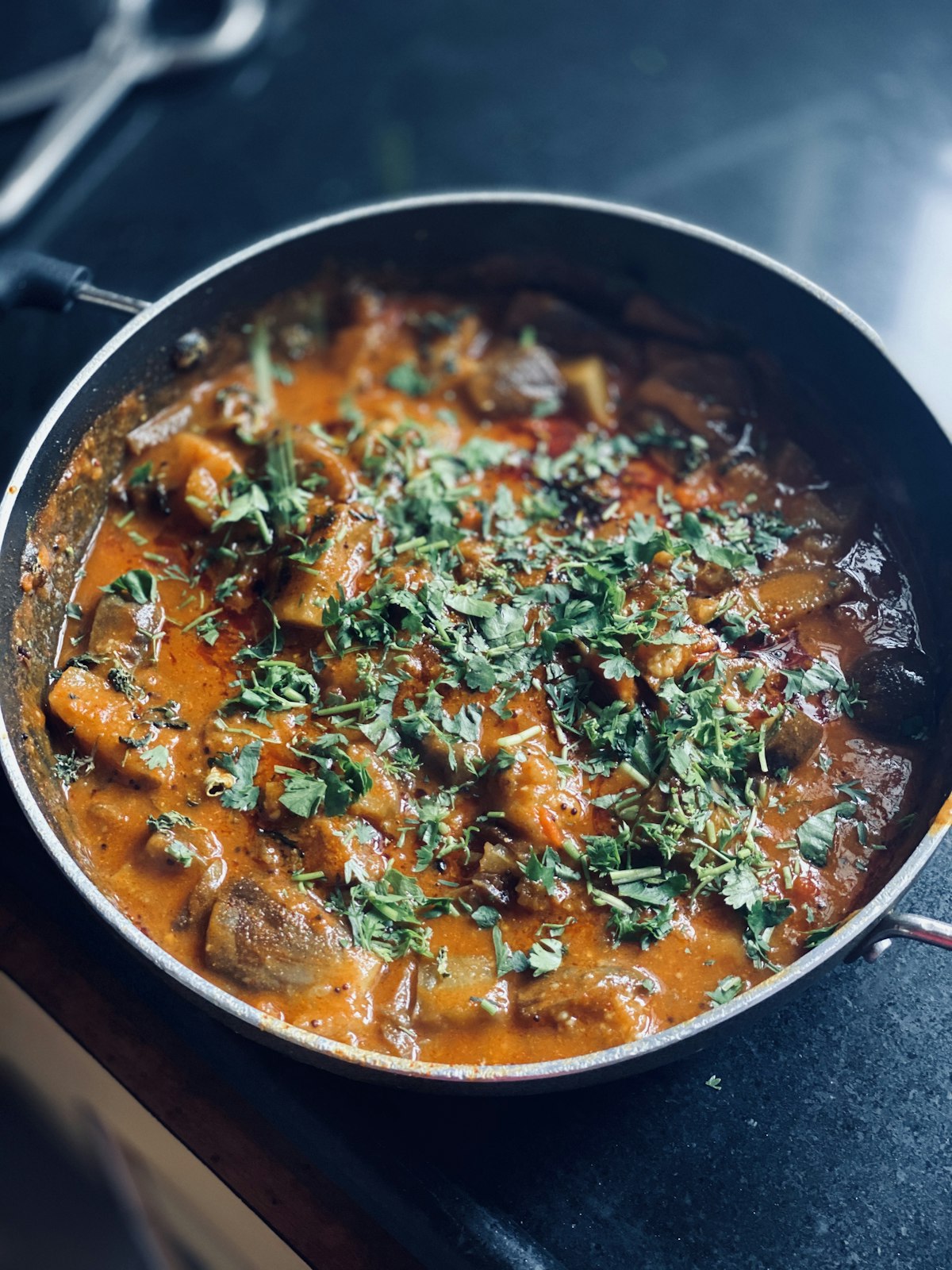
East India is the most underrated food region in the country. While North India gets the international fame and South India gets the health-food headlines, the East quietly produces some of India’s most sophisticated, complex, and deeply satisfying dishes. This is where you’ll find the world’s finest fish cookery, the country’s greatest sweets tradition, and a Himalayan mountain cuisine that feels closer to Tibet and Nepal than anything else on the subcontinent.
The region spans an enormous range — from the riverine deltas of Bengal to the mountains of Sikkim, the tribal heartlands of Jharkhand, and the Buddhist monasteries of Darjeeling. Each area has a completely distinct food identity. What they share is a preference for mustard oil (the default cooking fat), rice (eaten at every meal), and freshwater fish (the protein of choice in a region crisscrossed by rivers).
This guide covers 5 iconic East Indian dishes every first-time traveler must try — from the everyday comfort of Bengali fish curry to the high-altitude warmth of Himalayan thukpa. These are the dishes that define a region most travelers overlook — and shouldn’t.
1. Machher Jhol (Bengali Fish Curry) — West Bengal
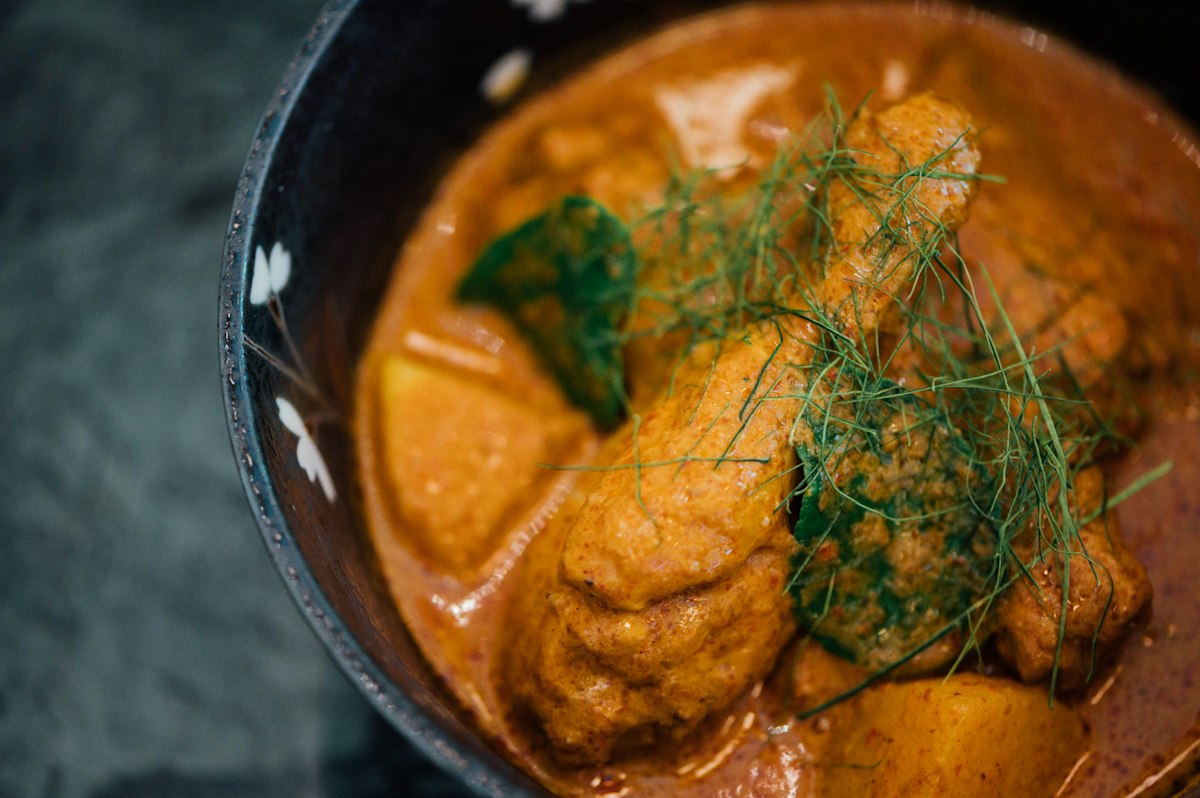
If you want to understand Bengal, eat machher jhol. This light fish curry — nothing like the heavy gravies of the North or the coconut curries of the South — is what Bengal eats every single day. It’s the state’s identity on a plate: simple, elegant, deeply flavourful, and built around the freshwater fish that swim through Bengal’s rivers and ponds.
The classic machher jhol is deceptively simple. Fish pieces (traditionally rohu or katla) are lightly fried in mustard oil until golden, then simmered in a thin gravy of turmeric, cumin, green chillies, and tomatoes. There’s no cream, no coconut, no heavy spice paste. The gravy is meant to be broth-like — light enough to pour over rice and eat as a soupy, comforting everyday meal. But within that simplicity lies incredible depth: the pungency of mustard oil, the earthiness of turmeric, the sweetness of fresh river fish, and the gentle heat of green chillies create a flavour balance that’s genuinely addictive.
Key Ingredients:
- Freshwater fish: rohu, katla, or ilish (hilsa — the king of Bengali fish)
- Mustard oil (the non-negotiable cooking fat of Bengal)
- Turmeric powder (generous — gives the curry its golden colour)
- Cumin seeds or cumin paste
- Green chillies (slit, for gentle heat)
- Tomatoes or potatoes (varies by household recipe)
- Kalonji (nigella seeds — a distinctly Bengali touch)
- Salt and a pinch of sugar (Bengalis add sugar to almost everything savoury)
Traveler Tip: The best machher jhol is in Kolkata — but not at restaurants. Bengali home cooking is always superior to restaurant versions. If you can get invited to a Bengali home for lunch, take it — it’ll be the best meal of your trip. Failing that, try the old-school Bengali restaurants in North Kolkata like 6 Ballygunge Place or Bhojohori Manna. Order the ilish machher jhol (hilsa fish curry) if it’s monsoon season (June-September) — hilsa is seasonal and Bengalis treat its arrival like a festival. Eat with rice, always.
2. Litti Chokha — Bihar & Jharkhand
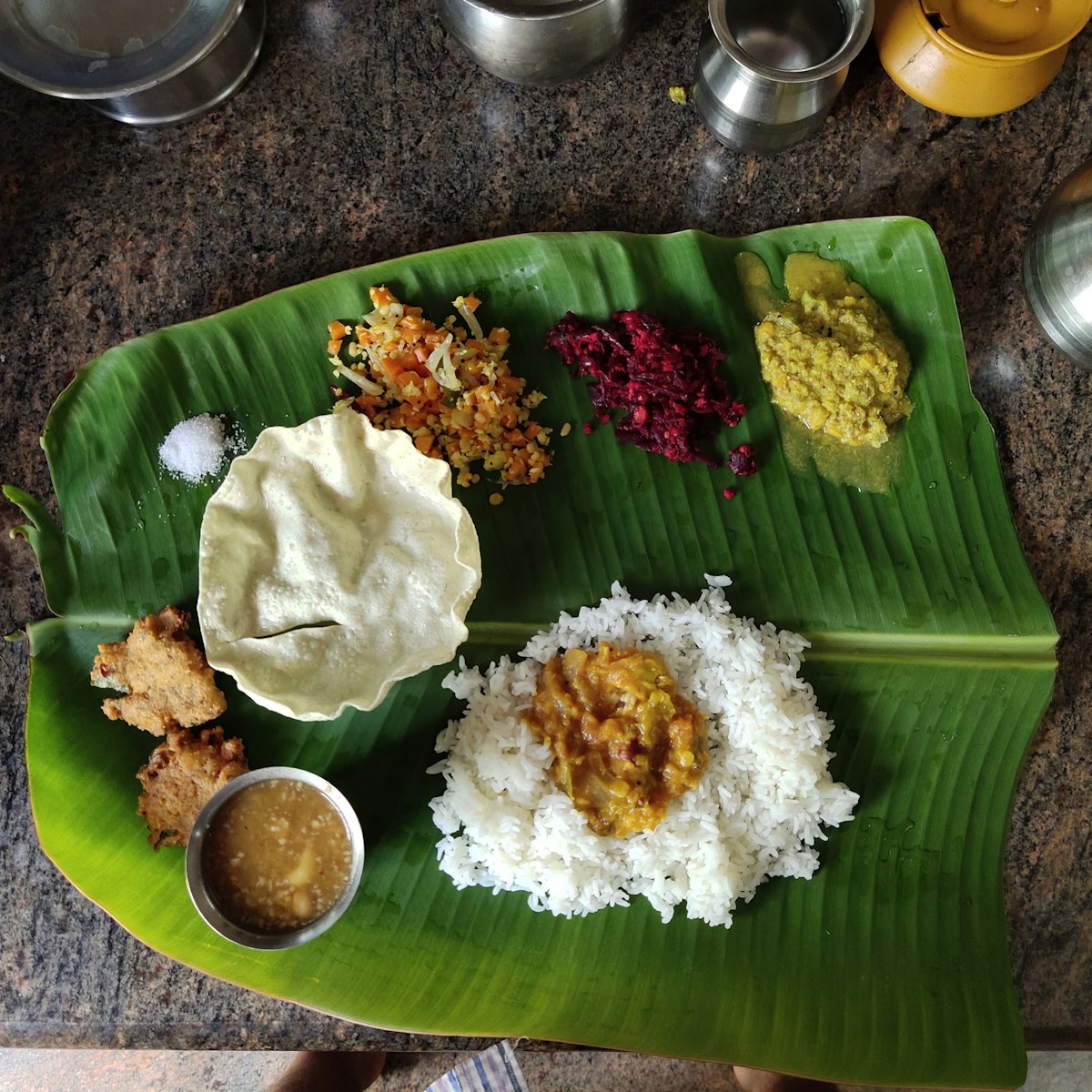
Litti chokha is Bihar’s answer to Rajasthan’s dal baati churma — a rural, fire-cooked dish built for sustenance rather than sophistication. But where dal baati is Rajasthani grandeur, litti chokha is Bihari soul food: raw, rustic, and unbelievably satisfying. It’s the kind of dish that makes you wonder why Bihar isn’t more famous for its food.
Litti are whole wheat dough balls stuffed with sattu (roasted gram flour) mixed with spices, mustard oil, and raw onion, then roasted directly over charcoal or dried cow dung cakes until the exterior is smoky and charred. Chokha is the accompaniment: a rough mash of fire-roasted aubergine (baingan), tomatoes, and boiled potatoes, seasoned with mustard oil, garlic, green chillies, and fresh coriander. You break the litti open, drown it in ghee, and eat it with fistfuls of chokha. The combination of smoky, spicy, and earthy flavours is extraordinary.
Key Ingredients:
- Whole wheat flour (for the litti dough)
- Sattu (roasted gram flour — the heart of the dish)
- Mustard oil, raw onion, ajwain (carom seeds), green chillies (for sattu filling)
- Charcoal or cow dung cakes (for roasting — gives the smoky flavour)
- Aubergine/eggplant, tomatoes, boiled potatoes (for chokha)
- Garlic, green chillies, fresh coriander, mustard oil (for chokha seasoning)
- Ghee (poured generously over the cracked-open litti before eating)
Traveler Tip: Litti chokha is best eaten at roadside stalls in Patna or along the highways of Bihar. The restaurant versions are decent, but the street versions — where the litti are roasted over live coals right in front of you — are incomparably better. In Delhi, the Bihari food stalls near ITO and in East Delhi’s Laxmi Nagar serve authentic litti chokha if you can’t make it to Bihar. The litti must be charred and smoky — if the surface is smooth and pale, it was baked in an oven, not roasted on coals. Always ask for extra ghee.
3. Momos — Sikkim, Darjeeling & Northeast India
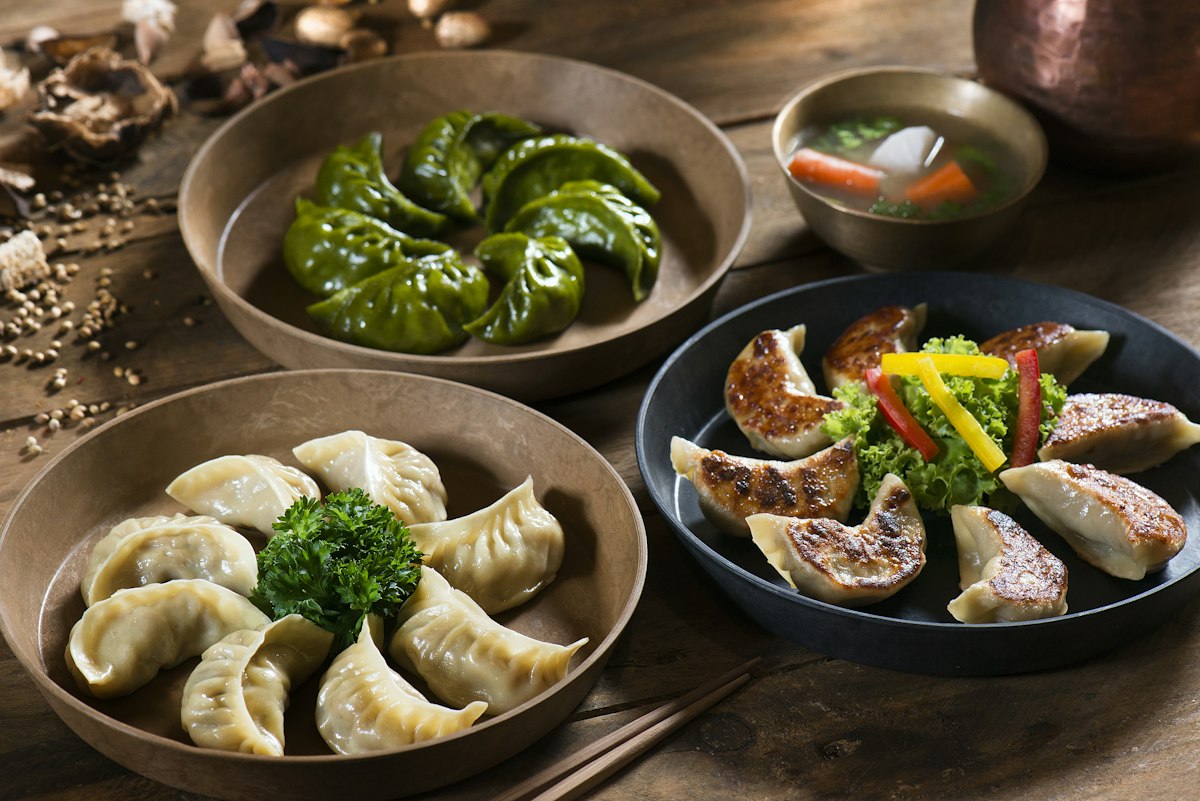
Momos need no introduction — these Tibetan-origin dumplings have become India’s most popular street food, found in every city from Delhi to Bangalore. But the momos you get at a roadside stall in Delhi are a distant cousin of the originals. The real momos — the ones worth traveling for — are in the Himalayan regions of East India: Sikkim, Darjeeling, Kalimpong, and the Northeast states.
Authentic Himalayan momos are handmade with a delicacy that mass-produced versions can’t match. The wrapper is thin, almost translucent, pinched into intricate pleats. The filling — minced pork, chicken, or vegetables mixed with ginger, garlic, spring onions, and Sichuan pepper — is juicy and intensely flavoured. They’re steamed in bamboo baskets and served with a fiery red chutney made from roasted tomatoes, dried chillies, and Sichuan pepper (timur) that numbs your tongue. In Sikkim and the Northeast, you’ll also find jhol momos (dumplings swimming in a spicy soup), kothey momos (pan-fried), and sha phaley (deep-fried meat-stuffed bread).
Key Ingredients:
- Maida (refined flour) for the wrapper dough
- Filling: minced chicken, pork, or mixed vegetables (cabbage, carrot, onion)
- Ginger, garlic, spring onions, soy sauce (in the filling)
- Sichuan pepper / timur (the signature numbing spice)
- For the chutney: roasted tomatoes, dried red chillies, garlic, Sichuan pepper, sesame seeds
- Bamboo steamer (for authentic steaming)
- Vinegar or soy-based dipping sauce (as an alternative to chutney)
Traveler Tip: For the best momos in India, head to Gangtok (Sikkim), Darjeeling, or Shillong (Meghalaya). In Gangtok, the momo shops near MG Marg serve extraordinary pork momos — pork is the traditional filling in Sikkim, not chicken. In Darjeeling, Kunga Restaurant is legendary. Order jhol momos on a cold day — the spicy soup base is warming and deeply satisfying. If you’re vegetarian, cheese momos stuffed with local chhurpi (yak cheese) are a Sikkimese speciality you won’t find anywhere else.
4. Rasgulla — West Bengal & Odisha
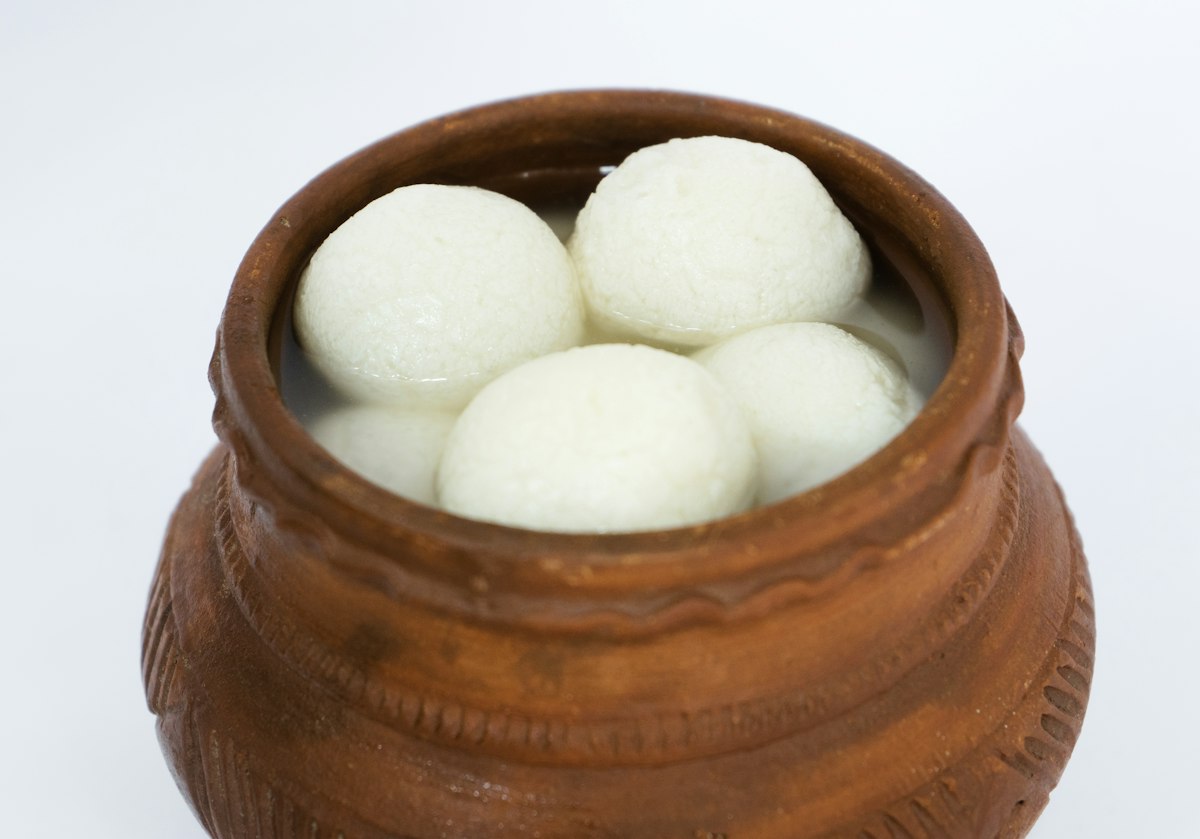
No guide to East Indian food is complete without a sweet — and in this region, sweets aren’t dessert, they’re culture. Bengal and Odisha have the most elaborate sweet-making traditions in India, and rasgulla is the crown jewel: soft, spongy balls of fresh chhena (cottage cheese) cooked in light sugar syrup until they swell into pillowy, juicy orbs that burst with sweetness when you bite into them.
The rasgulla’s simplicity is deceptive. Making good chhena requires precise milk curdling — too much acid and the cheese becomes grainy; too little and it won’t hold shape. The balls must be kneaded until completely smooth, with no cracks, then cooked in syrup at exactly the right temperature so they expand without dissolving. The Kolkata version (attributed to Nobin Chandra Das, circa 1868) is white, spongy, and lightly sweet. The Odisha version (Pahala rasgulla, with a GI tag) is slightly denser, chewier, and cooked in jaggery syrup for a deeper, more caramelised flavour. Both are extraordinary.
Key Ingredients:
- Full-fat cow’s milk (the only starting ingredient for chhena)
- Lemon juice or vinegar (to curdle the milk)
- Sugar (for the syrup — light syrup, not heavy)
- Rose water or cardamom (optional, for fragrance)
- No maida, no flour, no binding agent — pure chhena only
- For Odisha variant: jaggery or date palm jaggery (nolen gur) syrup
Traveler Tip: In Kolkata, buy rasgulla from heritage sweet shops like K.C. Das (descendants of the inventor), Balaram Mullick & Radharaman Mullick, or Girish Ch. Dey & Nakur Ch. Nandy. Don’t buy from generic shops near tourist spots. In Odisha, the town of Pahala (between Bhubaneswar and Cuttack) is famous for its roadside rasgulla shops. If you visit Kolkata between November and February, try nolen gurer rasgulla — made with date palm jaggery instead of sugar, available only in winter. It’s considered the finest version and Bengalis are obsessive about it.
5. Thukpa — Sikkim & Darjeeling Hills
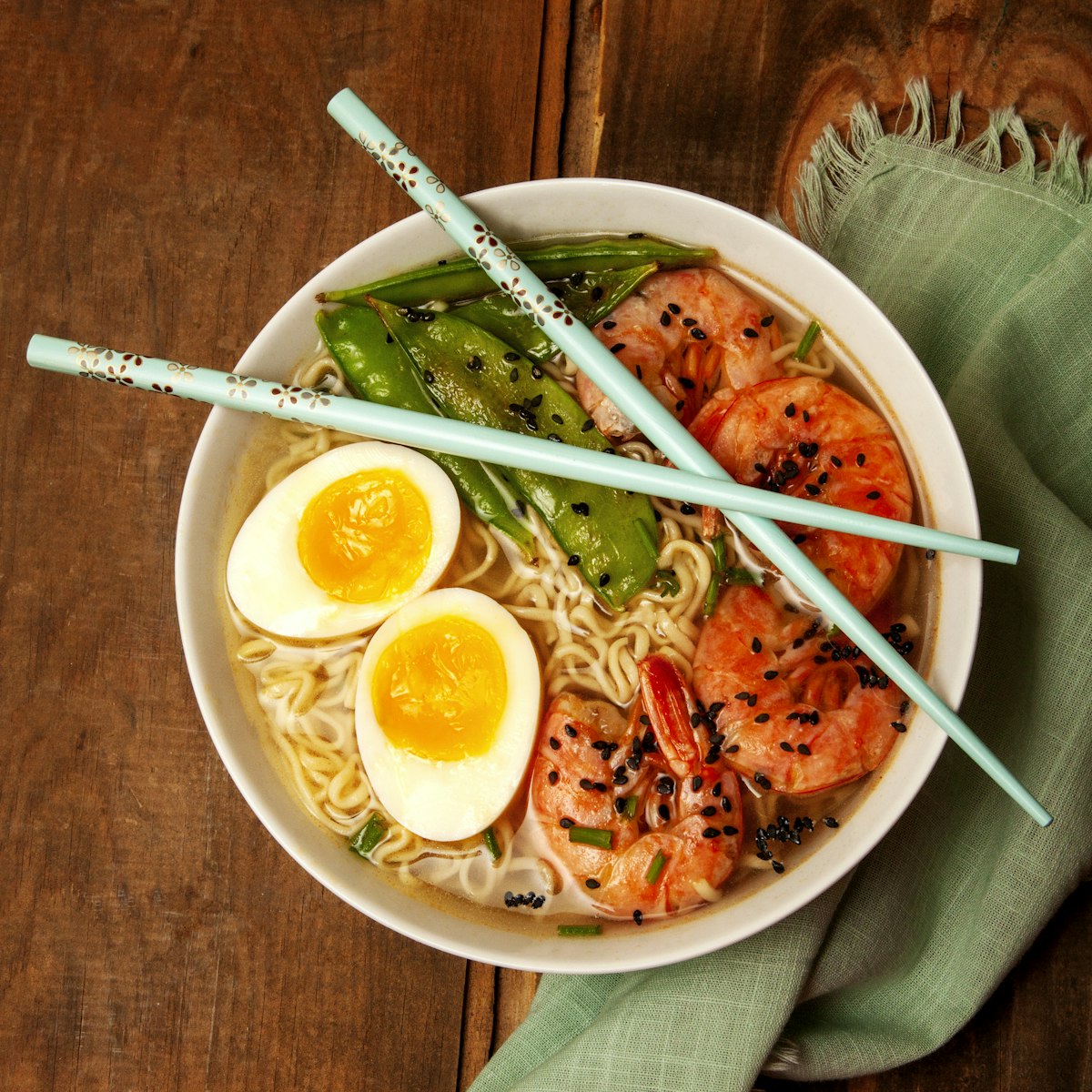
Thukpa is the ultimate mountain comfort food — a Tibetan noodle soup that’s become the default meal in India’s Himalayan regions. When the temperature drops below freezing in Gangtok, Darjeeling, or Leh, and the fog rolls in off the mountains, thukpa is what everyone eats. It’s simple, warming, and deeply satisfying in a way that no other Indian dish quite replicates.
A bowl of thukpa is hand-pulled or knife-cut wheat noodles swimming in a clear, flavourful broth made from bones (chicken, pork, or yak), loaded with vegetables (bok choy, carrots, cabbage, spring onions) and sliced meat. The broth is the star — it’s simmered for hours until deeply savoury, then seasoned with garlic, ginger, soy sauce, and chilli oil. Unlike ramen (which it superficially resembles), thukpa’s broth is lighter and cleaner, with a Himalayan character that comes from the local ingredients: Sichuan pepper, dried yak cheese, and mountain greens.
Key Ingredients:
- Wheat flour noodles (hand-pulled or hand-cut — not machine-made)
- Bone broth: chicken, pork, or yak (simmered 4-6 hours)
- Garlic, ginger, onions (the aromatic base)
- Soy sauce, chilli oil, Sichuan pepper
- Vegetables: bok choy, cabbage, carrots, spring onions
- Sliced chicken, pork, or yak meat (or tofu for vegetarian)
- Garnish: fresh coriander, chilli flakes, lime juice
Traveler Tip: The best thukpa is in Gangtok (Sikkim) and Darjeeling — look for the small family-run Tibetan restaurants, not the tourist-facing ones. In Gangtok, the eateries around Lall Market and the old town serve thukpa that locals have been eating for decades. Order thenthuk (hand-pulled flat noodle soup) for a variation that’s even more rustic and filling. On cold evenings, pair thukpa with a plate of kothey momos (pan-fried momos) and a cup of butter tea. Vegetarian travelers: the vegetable thukpa with tofu is just as warming and flavourful as the meat version.
How to Eat Your Way Through East India
East India’s food is organised along a striking geographical divide — the lowland river cultures of Bengal, Bihar, and Odisha versus the highland mountain cultures of Sikkim, Darjeeling, and the Northeast:
- West Bengal (Kolkata): India’s food capital for many serious eaters. Fish in every form — jhol (curry), bhapa (steamed), doi maach (in yogurt). The world’s greatest sweet shops. Kathi rolls (wrapped kebabs) at Nizam’s. Mughlai paratha (stuffed fried bread) at Golbari. And the best biryani variant you’ve never heard of: Kolkata biryani with a whole potato and egg.
- Bihar & Jharkhand: Rustic, hearty, and underexplored. Litti chokha, sattu paratha (gram flour-stuffed flatbread), thekua (fried wheat sweet), and chana ghugni (spiced chickpea snack). Bihar’s food is simple but intensely flavoured.
- Odisha (Bhubaneswar, Puri): The sweet capital of India. Dalma (lentils with mixed vegetables), the temple food (Mahaprasad) at Jagannath Temple in Puri — said to feed 100,000 people daily — and Pahala rasgulla.
- Sikkim & Darjeeling: Himalayan cuisine at its finest. Momos, thukpa, gundruk (fermented leafy greens), sel roti (sweet rice bread), and churpi (hard yak cheese). The food here is closer to Tibetan and Nepali cuisine than mainstream Indian.
The unifying ingredient across all of East India: mustard. Mustard oil for cooking, mustard seeds for tempering, and mustard paste in marinades. If you don’t like mustard, East Indian food will convert you.
The Bottom Line
East India doesn’t shout about its food the way the North and South do. It doesn’t need to. The region produces some of India’s most nuanced, sophisticated, and deeply satisfying dishes — from the everyday elegance of Bengali machher jhol to the rustic power of Bihari litti chokha, from Himalayan momos that put every Delhi street stall to shame to the perfect, syrup-soaked simplicity of rasgulla.
If you’re planning an India food trip, don’t skip the East. A route from Kolkata → Puri → Patna → Darjeeling → Gangtok gives you the full spectrum — riverine, coastal, plains, and mountain cuisine — in one remarkable journey.
Exploring other regions? Read our guides to North India’s iconic dishes, South India’s coastal and spice trail, and West India’s street food legends. If you’re a restaurant owner wanting to highlight regional East Indian specialities on your menu, set up your QR code menu to feature dishes that food-focused travelers actively search for.


Leave a Reply