

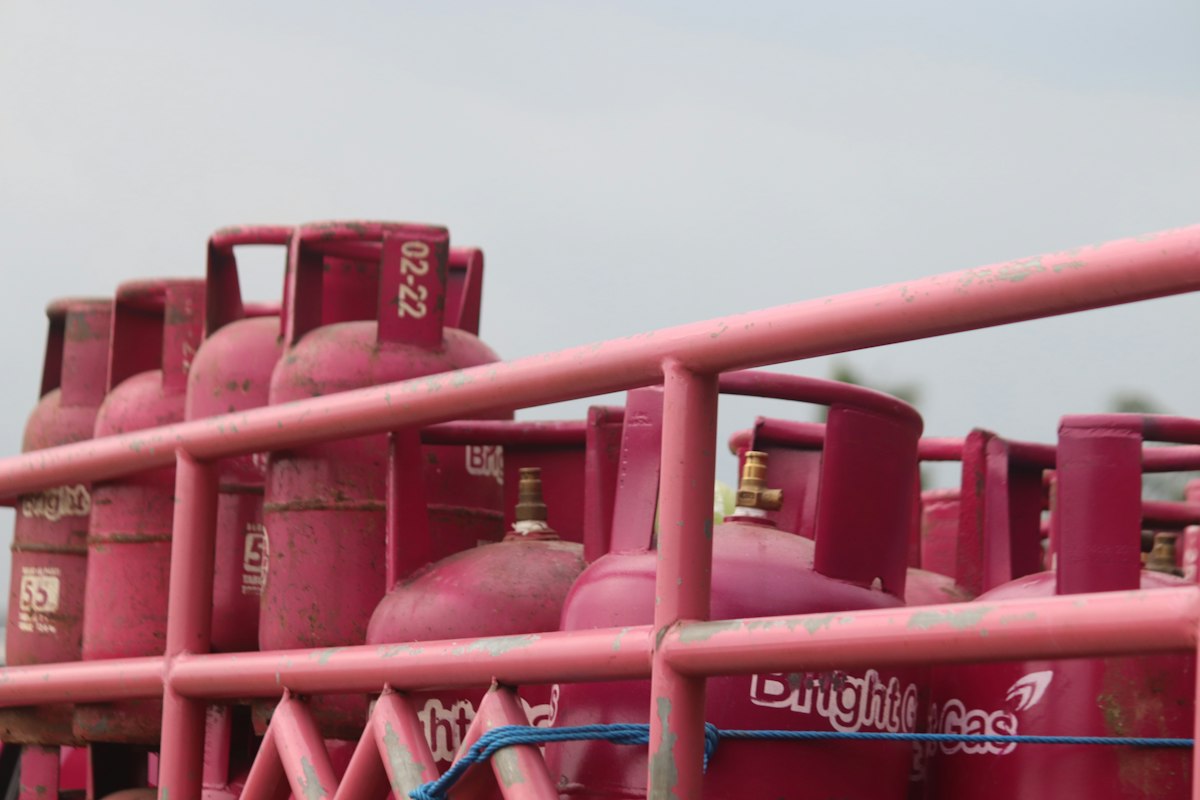
India is facing its worst LPG supply crisis in decades. Commercial cylinder prices have surged by ₹302.50 cumulatively in 2026, with the latest ₹115 hike on March 7. Supply disruptions are hitting Mumbai, Pune, Bengaluru, Chennai, and Kolkata. If you’re wondering how long this will last and what’s actually happening — here’s everything we know as of March 2026.
Why Is There an LPG Shortage in India in 2026?
The root cause is geopolitical. The ongoing Iran–West Asia conflict has disrupted shipping through the Strait of Hormuz — the narrow waterway through which a massive share of global oil and gas passes.
India imports approximately 67% of its LPG. When supply routes are disrupted at this scale, the domestic market feels it immediately. Here’s the timeline:
- January–February 2026: Commercial LPG prices rose by ₹187.50 across multiple hikes
- March 7, 2026: Another ₹115 hike — the single largest increase this year
- Total 2026 increase: ₹302.50 cumulative on commercial cylinders
- Supply disruptions reported in Mumbai, Pune, Bengaluru, Chennai, Kolkata, and several Tier 2 cities
- The 25-day refill rule is now being strictly enforced, preventing stockpiling
This isn’t just a price issue — it’s a physical supply shortage. Distributors in multiple cities have reported delays of 5–10 days for commercial cylinder refills.
How Long Will the LPG Shortage Last?
This is the question everyone is asking. Here’s an honest assessment based on what we know:
Short-term (March–April 2026)
Supply will remain tight. The Strait of Hormuz disruption hasn’t resolved, and rerouting tankers adds 10–15 days to delivery times. Expect continued delays and possible further price adjustments in April.
Medium-term (May–July 2026)
Gradual improvement likely. The government has activated multiple responses (detailed below). Reliance Industries has committed to ramping up domestic production. If the geopolitical situation stabilizes, supply should normalize by mid-2026.
Long-term outlook
Prices are unlikely to return to pre-2026 levels. Even after supply normalizes, the structural factors — India’s 67% import dependency, global energy volatility, infrastructure constraints — mean LPG will remain more expensive than it was in 2024-2025. This crisis is accelerating a pricing trend that was already heading upward.
What Is the Government Doing?
- IOC/HPCL/BPCL committee formed to coordinate supply management across oil marketing companies
- Reliance Industries has committed to increasing domestic LPG production to partially offset import shortfalls
- ESMA invoked — the Essential Services Maintenance Act has been activated to prevent supply-chain disruptions from labor actions
- GAIL piped natural gas (PNG) expansion is being fast-tracked in several cities as an alternative to cylinder-based LPG
- Discussions underway to explore alternative import routes and diversify away from Strait of Hormuz dependency
These are meaningful responses, but none provide instant relief. The supply chain takes weeks to adjust, even with government intervention.
Who Is Most Affected?
The impact is being felt across the board, but some sectors are hit harder than others:
Restaurants and hotels are among the hardest hit. Commercial cylinders have seen the steepest hikes, and restaurants depend on consistent gas supply for daily operations. The NRAI (National Restaurant Association of India) has issued a formal advisory recommending shortened hours, reduced menus, and switching to electric alternatives. 20% of Mumbai restaurants have temporarily shut down. Many others are operating with crisis menus. If you run a restaurant, we’ve written a detailed survival guide specifically for restaurant owners with 7 practical steps to manage through this crisis.
Households are feeling the pinch as domestic cylinder prices also rise, though subsidies are partially cushioning the blow for Ujjwala beneficiaries.
Small businesses and street food vendors who rely on commercial LPG are particularly vulnerable, as they lack the scale to negotiate bulk rates or invest in electric alternatives.
What Can You Do Right Now?
For households
- Use pressure cookers to reduce cooking time and gas consumption
- Keep lids on pots — retains heat and reduces energy needed
- Pre-soak dal, rice, and legumes before cooking
- Consider induction cooktops for items like rice, tea, and reheating
- Explore PNG (piped natural gas) if available in your area
For businesses
- Evaluate electric cooking equipment — commercial induction units have become genuinely viable
- Negotiate with suppliers for fixed-rate contracts where possible
- Apply for PNG connections if GAIL infrastructure exists in your area
- Optimize operations to reduce total gas consumption per day
- Track costs carefully — rising gas may be hiding other inefficiencies. See our guide on reducing operating costs for detailed strategies
LPG Price History: 2026 Hikes Timeline
| Date | Hike Amount | Cumulative 2026 |
|---|---|---|
| January 2026 | ₹86.50 | ₹86.50 |
| February 2026 | ₹101.00 | ₹187.50 |
| March 7, 2026 | ₹115.00 | ₹302.50 |
Figures are for 19kg commercial LPG cylinders. Domestic cylinder prices have also increased but at a lower rate.
Will LPG Prices Come Down?
Realistically, a full reversal to pre-2026 prices is unlikely. Even if the Strait of Hormuz situation resolves:
- Global LPG benchmarks have shifted upward
- India’s import dependency at 67% means global prices directly impact domestic rates
- Infrastructure for domestic production can’t scale overnight
- The rupee’s exchange rate adds another variable
The more realistic expectation: prices may stabilize or see minor corrections, but the ₹302.50 increase is largely baked in. The best long-term strategy is reducing LPG dependency through electric alternatives and PNG where available.
Frequently Asked Questions
How long will the LPG shortage last in India 2026?
Supply disruptions are expected to continue through March–April 2026. Gradual improvement is likely from May onward as government interventions and increased domestic production take effect. However, prices are expected to remain elevated even after supply normalizes, given India’s 67% import dependency.
Why is LPG so expensive in 2026?
The Iran–West Asia conflict has disrupted shipping through the Strait of Hormuz, a critical route for India’s LPG imports. This supply disruption, combined with global energy market volatility, has driven commercial cylinder prices up by ₹302.50 cumulatively since January 2026.
What is the government doing about the LPG crisis?
The government has formed a committee of IOC, HPCL, and BPCL to manage supply. Reliance Industries is increasing domestic production. ESMA has been invoked to prevent supply-chain disruptions. GAIL is fast-tracking piped natural gas expansion in several cities.
Should I switch from LPG to piped natural gas (PNG)?
If GAIL infrastructure is available in your area, PNG is worth serious consideration. It offers more stable supply and less volatile pricing than commercial LPG cylinders. Conversion costs are typically recoverable within 6–12 months of gas savings.
What are the alternatives to LPG for cooking?
The main alternatives are induction cooktops (electric), piped natural gas (PNG), and electric ovens/griddles. For households, a combination of induction for quick cooking and LPG for heavy-duty items works well. For commercial kitchens, commercial-grade induction units are now viable for many applications.
When will LPG prices come down in India?
A full reversal to pre-2026 prices is unlikely. Prices may stabilize or see minor corrections once supply normalizes (estimated mid-2026), but the structural factors driving higher prices — import dependency, global markets, infrastructure constraints — haven’t changed.
{ “@context”: “https://schema.org”, “@type”: “FAQPage”, “mainEntity”: [ { “@type”: “Question”, “name”: “How long will the LPG shortage last in India 2026?”, “acceptedAnswer”: { “@type”: “Answer”, “text”: “Supply disruptions are expected to continue through March–April 2026. Gradual improvement is likely from May onward as government interventions and increased domestic production take effect. However, prices are expected to remain elevated even after supply normalizes, given India’s 67% import dependency.” } }, { “@type”: “Question”, “name”: “Why is LPG so expensive in 2026?”, “acceptedAnswer”: { “@type”: “Answer”, “text”: “The Iran–West Asia conflict has disrupted shipping through the Strait of Hormuz, a critical route for India’s LPG imports. This supply disruption, combined with global energy market volatility, has driven commercial cylinder prices up by ₹302.50 cumulatively since January 2026.” } }, { “@type”: “Question”, “name”: “What is the government doing about the LPG crisis?”, “acceptedAnswer”: { “@type”: “Answer”, “text”: “The government has formed a committee of IOC, HPCL, and BPCL to manage supply. Reliance Industries is increasing domestic production. ESMA has been invoked to prevent supply-chain disruptions. GAIL is fast-tracking piped natural gas expansion in several cities.” } }, { “@type”: “Question”, “name”: “Should I switch from LPG to piped natural gas (PNG)?”, “acceptedAnswer”: { “@type”: “Answer”, “text”: “If GAIL infrastructure is available in your area, PNG is worth serious consideration. It offers more stable supply and less volatile pricing. Conversion costs are typically recoverable within 6–12 months of gas savings.” } }, { “@type”: “Question”, “name”: “What are the alternatives to LPG for cooking?”, “acceptedAnswer”: { “@type”: “Answer”, “text”: “The main alternatives are induction cooktops (electric), piped natural gas (PNG), and electric ovens/griddles. For households, a combination of induction for quick cooking and LPG for heavy-duty items works well. For commercial kitchens, commercial-grade induction units are now viable.” } }, { “@type”: “Question”, “name”: “When will LPG prices come down in India?”, “acceptedAnswer”: { “@type”: “Answer”, “text”: “A full reversal to pre-2026 prices is unlikely. Prices may stabilize once supply normalizes (estimated mid-2026), but the structural factors driving higher prices haven’t changed.” } } ] }
Leave a Reply