

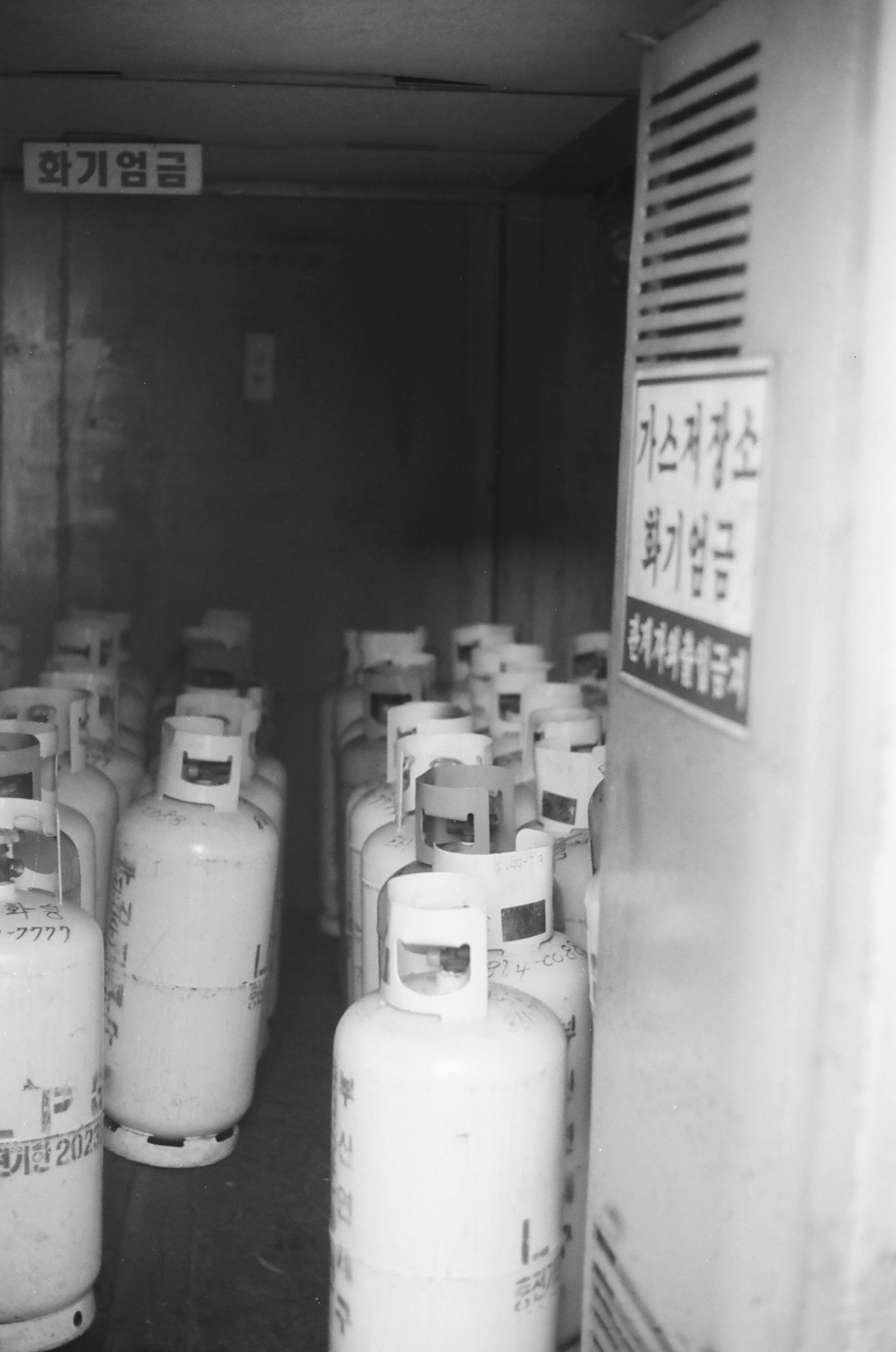
Commercial LPG prices have risen by ₹302.50 cumulatively in 2026 — with the latest ₹115 hike hitting on March 7. Supply has been disrupted across Mumbai, Pune, Bengaluru, Chennai, and Kolkata. The NRAI has issued a formal advisory. If you’re a restaurant owner reading this, you’re probably already feeling it in your daily operations and your monthly P&L. This guide covers what you can do right now to protect your margins, adapt your menu, and come out of this crisis stronger than you went in.
What’s Happening and Why
The ongoing Iran–West Asia conflict has triggered significant disruption along key oil and gas shipping routes, including the Strait of Hormuz — one of the most critical chokepoints for global energy trade.
For India, this matters enormously. India imports approximately 67% of its LPG, and a disruption of this scale sends shockwaves through the entire domestic supply chain.
Here’s what’s happened so far in 2026:
- Commercial LPG cylinder prices have risen by ₹302.50 cumulatively since January 2026
- The most recent hike of ₹115 came into effect on March 7, 2026
- Active supply disruptions have been reported in Mumbai, Pune, Bengaluru, Chennai, and Kolkata
- The 25-day refill rule is now being strictly enforced, meaning restaurants can’t stockpile cylinders the way they used to
This isn’t a temporary blip. It’s a structural supply problem with a geopolitical root cause. Hoping it resolves itself next week is not a strategy.
NRAI’s Official Recommendations
The National Restaurant Association of India (NRAI) has stepped in with a formal advisory for restaurant operators. If you haven’t read it yet, here’s the summary:
On Operations
- Shorten operating hours — fewer hours open means fewer burners running
- Drop high-gas items from your menu — specifically deep-fried starters, slow-cooked gravies, and anything that requires long simmering
- Disable pilot flames on gas equipment when not actively cooking — a small change that adds up significantly over a full service day
On Cooking Techniques
- Use pressure cooking wherever possible — cuts cooking time dramatically for dal, legumes, and curries
- Batch cook during off-peak hours when you can concentrate usage and reduce total burner time
- Use lids consistently — retaining heat in pots reduces the energy needed to maintain temperature
- Pre-soak grains and legumes overnight — significantly reduces active cooking time
On Equipment
- Evaluate electric alternatives seriously — induction cooktops, combi ovens, and electric fryers are no longer niche products
- Several equipment suppliers are currently offering deals specifically targeting the restaurant sector during this crisis
These are solid foundational recommendations. Now let’s get into the specific steps you can take starting today.
7 Practical Steps to Reduce Costs Right Now
1. Switch to a Crisis Menu
Your regular menu was designed for normal operating conditions. These are not normal conditions.
A crisis menu means stripping your offering back to items that cook fast, use less gas, and still satisfy your customers. Remove deep-fried starters. Remove anything that needs 45+ minutes of simmering. Highlight grilled items, steamed dishes, and salad-based options.
This isn’t about compromising quality — it’s about being smart with a constrained resource. A focused menu of 20 excellent items beats a bloated menu of 60 items that’s killing your gas budget.
2. Invest in Electric Cooking Equipment
Induction cooktops, electric griddles, and rice cookers have improved dramatically in quality and affordability. Commercial-grade induction units are now genuinely viable for restaurant use.
Yes, it’s an upfront cost. But think about it this way: every month of elevated LPG prices makes the payback period shorter. A good commercial induction unit pays for itself — and continues saving you money long after this crisis is over.
Start with one or two units. Use them for high-frequency items like rice, dal, or simple gravies. Reduce your gas load incrementally and measure the impact.
3. Reduce Food Waste Aggressively
Every plate of food that gets thrown away represents not just the cost of the ingredients — it also represents the gas used to cook it. In a supply-constrained environment, food waste is doubly expensive.
Track what’s selling and what isn’t. Cut slow-moving items from your crisis menu. Repurpose ingredients across multiple dishes so nothing goes to waste. There are specific techniques restaurants are using right now to cut food waste significantly — it’s worth reading if you haven’t already.
If you don’t currently track waste at an item level, now is the time to start. Even a basic system — a spreadsheet, a notebook — is better than guessing.
4. Go Digital with Your Menu
This one is less obvious, but genuinely important during a crisis.
A paper menu cannot change daily. But your crisis menu needs to change daily — sometimes multiple times a day — as your gas situation shifts, as ingredients run low, as you test what’s working and what isn’t.
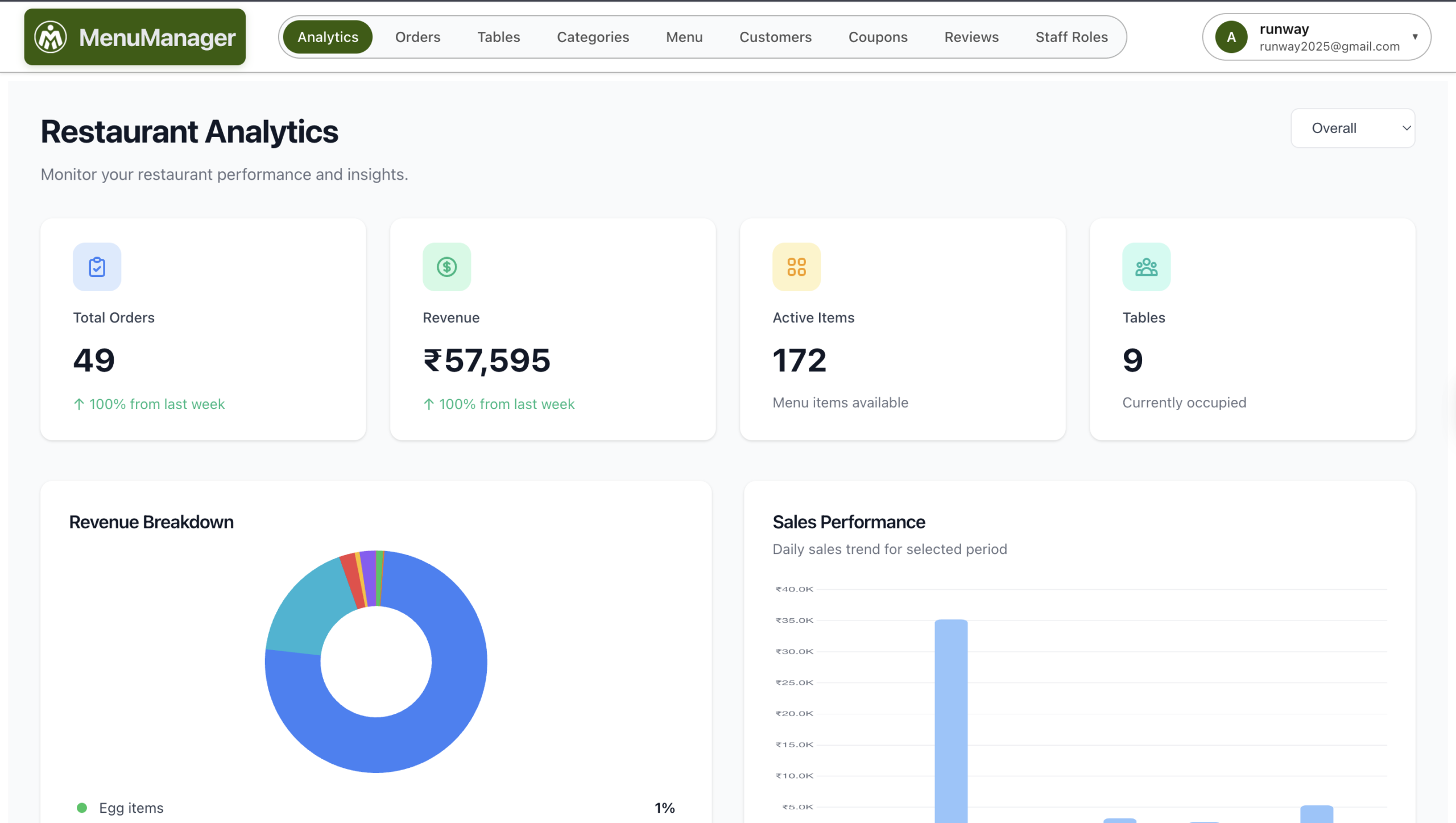
A digital menu lets you update items, prices, and availability in real-time from your phone. You can pull an item that’s using too much gas and replace it with something more efficient. You can mark dishes as unavailable without reprinting 50 menus. Tools like MenuManager let you do exactly this — update your menu instantly and push changes to every table simultaneously.
The flexibility alone is worth it during a period when your operations are changing week to week.
5. Optimize Table Turnover
Fewer hours open means less gas consumed. But fewer hours doesn’t have to mean fewer covers — if you can turn tables faster.
Every minute a table sits idle between seating and ordering is a minute your kitchen stays warm and your gas keeps burning. QR ordering eliminates the wait between seating and ordering entirely — customers scan, browse, and order immediately without waiting for a server to come around.
Faster ordering means faster service, which means faster table turns, which means you can serve the same number of guests in fewer hours. Smart table management during this period isn’t just good hospitality — it’s a direct gas-saving strategy.
6. Negotiate with Suppliers and Explore PNG
If you’re on a regular account with a gas supplier, call them now. Some suppliers are offering fixed-price contracts or priority access for long-term customers. Lock in what you can.
More importantly, if your area has GAIL piped natural gas (PNG) infrastructure, seriously evaluate making the switch. PNG connections provide a more stable supply at prices that tend to be less volatile than commercial LPG cylinders. The conversion cost for kitchen equipment varies, but for most commercial kitchens it’s achievable within a few months’ gas savings.
Ask your supplier directly. Ask neighboring restaurant owners. PNG availability is expanding rapidly in Tier 1 and Tier 2 cities, and the current crisis is accelerating that expansion.
7. Track Every Expense
When one cost spikes, it’s easy to focus exclusively on that cost while other inefficiencies quietly drain your margins. Rising gas costs might be hiding problems in your staffing, your food purchasing, or your table efficiency that you’d otherwise have caught earlier.
Use this crisis as a trigger to build proper cost visibility across your entire operation. Restaurants that understand their numbers in detail consistently outperform those that don’t — and a crisis makes the case for that discipline clearer than anything else.
At minimum: track gas usage per service, track food cost per item, and track revenue per hour of operation. Those three numbers will tell you more than any amount of intuition.
What Other Restaurants Are Doing
You’re not alone in this. Restaurants across India are adapting in real time, and it’s worth knowing what’s actually working out there.
In Coimbatore, hotels and standalone restaurants have been slashing their menus to essentials — dropping elaborate multi-course offerings in favor of focused, fast-cooking options that still deliver on value. Customer feedback has largely been positive. Simpler menus, well executed, are resonating.
In Mumbai, several mid-size restaurant groups have accelerated their shift to electric cooking equipment — a move they’d been considering for years but hadn’t prioritized. The crisis forced the decision, and most are reporting that the transition went smoother than expected.
Cloud kitchens in Bengaluru and Hyderabad are exploring induction-only kitchen setups for new units. The economics that previously didn’t quite work now do, given where LPG prices are headed.
GAIL infrastructure expansion is being fast-tracked in several cities, and some restaurant owners who applied for PNG connections months ago are finally getting them installed. If you applied and haven’t followed up recently, do it now — processing is reportedly faster than usual given the urgency.
The pattern is clear: the restaurants responding best to this crisis are the ones treating it as a forcing function to modernize operations they should have modernized anyway.
Will This Crisis End Soon?
Here’s an honest answer: it’s hard to say, and anyone claiming certainty is guessing.
On the positive side:
- The government has formed a committee involving IOC, HPCL, and BPCL to manage the supply situation and coordinate response
- Reliance Industries has committed to increasing domestic LPG production to partially offset import shortfalls
- ESMA (Essential Services Maintenance Act) has been invoked to prevent supply-chain disruptions from labor actions
These are meaningful responses. Supply may stabilize within weeks if the geopolitical situation doesn’t escalate further.
But here’s the harder truth: prices are unlikely to come back down to pre-2026 levels, even if supply normalizes. The structural factors — India’s import dependency, global energy market volatility, infrastructure constraints — haven’t changed. This crisis is accelerating a price trajectory that was already heading upward.
For a detailed breakdown of the crisis timeline, price history, and government response — including what it means for households and businesses beyond restaurants — see our comprehensive LPG Shortage India 2026 update.
The restaurants that will come out of this in the best shape are the ones that use the current pressure to permanently reduce their gas dependency — through electric equipment, menu optimization, and operational efficiency — rather than simply waiting for prices to drop.
The Bottom Line
This crisis is painful. There’s no sugarcoating a ₹302.50 cumulative price hike on top of a supply disruption affecting your ability to operate normally. You’re dealing with real cost pressure right now, and the uncertainty about when it ends makes planning difficult.
But the restaurants that will emerge strongest from this period are the ones that use it as a trigger to do things they should have done anyway: tighten their menus, reduce waste, invest in electric equipment, and digitize their operations.
The crisis won’t last forever. The habits and systems you build during it will.
Restaurants that go digital now — with real-time menus, faster table turnover, and better cost visibility — will be more resilient not just to this gas crisis, but to whatever comes next.
Need help going digital? MenuManager offers a 14-day free trial — no credit card needed. It’s one step toward making your restaurant operations more adaptable, starting today.
With rising costs hitting every part of restaurant operations, it’s more important than ever to have a clear strategy for reducing your overall operating costs.
Frequently Asked Questions
How long will the LPG shortage last in India?
It’s genuinely difficult to predict. The government has formed a committee involving IOC, HPCL, and BPCL, and Reliance has committed to increasing domestic production. Supply may stabilize within weeks if the Iran–West Asia conflict doesn’t escalate. However, most analysts expect prices to remain elevated even after supply normalizes, given India’s structural import dependency for roughly 67% of its LPG needs.
What are the best electric alternatives for restaurant cooking?
Commercial induction cooktops are the most versatile replacement for standard gas burners — they heat quickly, are energy-efficient, and modern units are robust enough for high-volume restaurant use. Electric combi ovens are excellent for baking, roasting, and steaming. Electric griddles work well for high-frequency flat-top cooking. Electric fryers are available for restaurants that need to continue deep-frying but want to reduce gas dependency. Start with one or two units in your highest-usage stations and measure the impact before committing to a full transition.
Can restaurants switch from LPG to piped natural gas (PNG)?
Yes, and it’s worth exploring seriously if GAIL infrastructure is available in your area. PNG connections provide more supply stability and tend to have less volatile pricing than commercial LPG cylinders. The conversion process involves a connection application through your local gas distribution company, plus modifying your existing burners or replacing them with PNG-compatible equipment. Conversion costs vary but are typically recoverable within 6–12 months of gas savings. Given the current crisis, processing times for new PNG connections are reportedly faster than usual in several major cities.
How much can a crisis menu save on gas costs?
This varies significantly based on your current menu and kitchen setup, but restaurants that have switched to focused crisis menus — removing deep-fried starters and long-simmered gravies — are reporting gas consumption reductions of 25–40% per service. The exact savings depend on how gas-intensive your current menu is and how aggressively you optimize. Combining a crisis menu with batch cooking, pressure cooking, and consistent use of lids can push savings toward the higher end of that range. Even a 25% reduction in current prices represents a meaningful monthly saving per cylinder.
Should I raise menu prices during the LPG crisis?
It depends on your competitive environment and customer base. A modest price increase of 5–8% on gas-intensive items is defensible and most customers will understand it in the current environment — especially if you communicate honestly about why. A blanket price increase across your entire menu is harder to justify and risks customer backlash. A better approach for many restaurants is to combine a small targeted price increase on your highest-gas items with a reduction in the number of those items on your menu, while highlighting lower-gas options at their existing prices. This way you’re managing your cost exposure without alienating customers.
How can digital menus help during the gas shortage?
A paper menu is static — once printed, it can’t change until you reprint it. During a gas crisis, your menu needs to be dynamic: pulling items when gas is low, adjusting availability based on what’s actually cookable that day, and highlighting your most gas-efficient dishes. A digital menu lets you make those changes instantly from your phone, pushing updates to every table simultaneously. Beyond that, digital menus enable QR-based ordering, which speeds up table service and improves turnover — meaning you can serve more guests in fewer hours, directly reducing total gas consumption per day of operation.

Leave a Reply